On-Page SEO (also known as on-site SEO) is a fundamental aspect of the online world. Just as we tailor therapeutic approaches to individual needs, websites require specific adjustments to be easily found and understood by search engines. It’s about ensuring a site’s content is valuable, its structure is user-friendly, and all the technical SEO elements are in place.
On-Page SEO is the best practice for optimizing individual web page content to achieve higher search engine rankings and gain more relevant traffic. It encompasses content optimization, user-friendly website design, and technical elements such as site speed and mobile responsiveness.
You must take note of how important On-Page SEO, is. It isn’t just a checklist to be checked off. It requires understanding a website’s unique qualities and potential areas for improvement. As we continue, we’ll explore the nuances and specifics of this important on-page SEO strategy.
What is On-Page SEO?
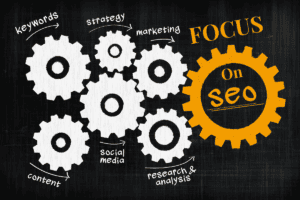
On-Page SEO is the practice of optimizing individual web pages on a site’s keywords, links, and page speed. The goal is to ensure search engines, like Google, understand the content and structure of a page, which can help it rank higher in search engine results pages. This is crucial because higher ranking factors often lead to more website visitors.

In practice, on-page optimization involves several elements. This includes the high-quality content on the page, the way it’s organized, the keywords used, its links (internal links and external links), and even technical aspects like how quickly the page loads. Every element should be refined to provide website visitors with the best possible user experience.
While 2023 has brought about new descriptive techniques and strategies, the complete guide to on-page SEO remains the same: creating web pages that are easily understood by search engines and helpful for visitors. As the online world grows, making sure a website stands out and provides value is more important than ever.
Why is On-Page SEO Important?
Firstly, On-Page SEO is crucial, as it helps search engines understand your website and have structured data. When search engines ‘read’ every page, they look for cues to grasp the content. By optimizing your pages, you’re effectively helping Google and other search engines, ensuring they know exactly what each page is about. This understanding is beneficial when combined with Off-Page SEO strategies like link building and social media engagement, which also contribute to how your site is perceived.
Additionally, a well-optimized page is user-friendly. When a page is clear and organized, visitors can find what they need quickly. This can lead to them staying on your site longer and even coming back in the future. It’s not just about impressing search engines; it’s also about providing a great experience for your visitors.
Lastly, in an extensive online world with so many websites, standing out is critical for getting more clicks to your site. On-page SEO is a key tool in making sure your site gets noticed in search results. In 2023, with more websites popping up daily, ensuring your site is optimized, both on-page and off-page, is even more crucial for its success.
What Are On-Page SEO Factors?
The first factor to consider is content quality. Just like a meaningful conversation in therapy, a website should offer valuable and relevant information. This means creating content that answers questions or solves problems for its visitors.
Then, there’s the structure of the content. This involves using headings, subheadings, and short paragraphs to make the content easy to read and navigate. Think of this as setting the stage for a comfortable conversation, where the flow of information is clear and accessible.
Lastly, there are technical elements. This means making sure the website loads quickly, is mobile-friendly and has easy-to-follow URLs. In our digital age, especially in 2023, these factors are vital. They ensure that anyone, no matter their device or location, can access and enjoy the website without hitches.
What is an Example of On-Page SEO?
Let’s take a website article about managing stress, something we’re both familiar with. For on-page SEO, the title of this article might be “5 Simple Ways to Manage Stress.” This title is clear and directly states what the article is about, which is a great start.
Within the article, there might be subheadings like “Deep Breathing Techniques” or “The Power of Routine.” These not only break the content down for readers but also give search engines a clue about the content’s details. Plus, the article would have short, easy-to-understand sentences, guiding readers through each step.
Now, on the technical side, if this article’s webpage loads quickly and looks good on both computers and smartphones, that’s on-page SEO at work too. It ensures readers have a smooth experience, whether they’re reading during a coffee break or while waiting for their next appointment.
On-Page SEO Checklist for Therapists
When it comes to On-Page SEO, having a checklist can be a real lifesaver.
- Make sure your target keyword is in your URL.
- Optimize your page title tag.
- Use proper header tags.
- Include keywords in your body copy.
- Incorporate images, graphics, and other visuals.
- Add a meta description.
- Optimize visuals with alt text.
- Add internal links.
- Add external links.
Starting off, think about the keyword, which is the main topic you’re discussing. Let’s say you’re writing about “mindfulness exercises.” Ensure this keyword appears in your URL. For example, it might look like “www.yourtherapywebsite.com/mindfulness-exercises.” Also, your page title, maybe something like “Top Mindfulness Exercises for Anxiety,” should contain this keyword. It’s a clear sign to both readers and search engines about the page’s focus.
Next, as you structure your content, use headers to break up sections. This makes reading easier. Under each header, sprinkle your keyword throughout, but keep it natural. Add visuals, like images or graphics, to illustrate your points. Just as we use tools and props in sessions, visuals can really help explain concepts. Remember to add a short meta description summarizing your page’s content, and if you have images, describe them with alt-text, so everyone can understand them, even if they don’t load.
Lastly, think about connections. Internally link to other pages on your website where readers might find related information. Maybe you have another article about deep breathing exercises? Link to it! Additionally, add external links to reputable sources. It shows readers you’ve done your research, and it’s also a positive signal for search engines.
Final Thoughts
Navigating the digital landscape in 2023 is a lot like guiding our clients through personal challenges. On-Page SEO is a tool or method that ensures our online space is as effective and welcoming as our therapy rooms. By paying attention to each factor we discussed, we ensure our message reaches and resonates with those who need it. When combined with off-page SEO, you can drive more traffic to your site.
In the end, our goal is to connect, help, and inform. Whether it’s in a one-on-one session or through a webpage, the principles remain the same. Prioritize clarity, be genuine, and always aim to offer value. In this digital age, On-Page SEO becomes a bridge, allowing us to extend our support even further.